Every child deserves the chance to reach their fullest potential, and for children on the autism spectrum, early therapeutic support can make a world of difference. Occupational therapy for children with autism plays a vital role in helping them navigate everyday challenges—whether it’s learning to dress independently, improving focus, or understanding sensory input. With the right guidance, occupational therapy (OT) empowers children with autism to participate more fully in school, play, and social environments with greater confidence and independence.
What is Occupational Therapy?
Occupational therapy is a specialized form of treatment that helps individuals develop, recover, or maintain essential life skills needed for daily living. In the context of children, OT focuses on building foundational abilities such as motor coordination, sensory processing, and emotional regulation.
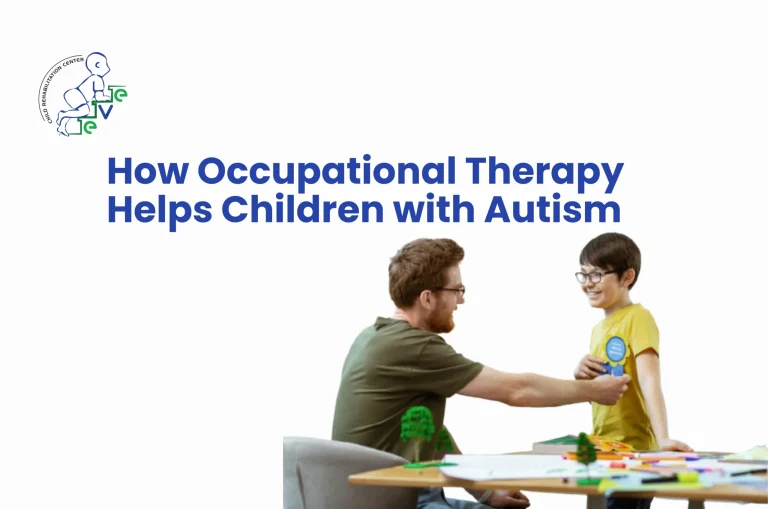
For children with autism, occupational therapy provides structured, compassionate support designed around their unique needs. Sessions often include playful, hands-on activities that encourage skill-building in a comfortable environment. The goal is not just to improve a child’s abilities but to enhance their sense of achievement and independence in daily routines—like eating, dressing, writing, or playing with peers.
Occupational therapists observe how a child interacts with their surroundings and develop personalized strategies to strengthen core areas such as sensory integration (how the brain processes sensory information) and fine or gross motor skills.
Why Occupational Therapy is Important for Children with Autism
Children with autism spectrum disorder (ASD) often face various developmental challenges that affect their ability to perform daily tasks smoothly. Some of the most common concerns include:
- Sensory sensitivities (over- or under-responsiveness to sounds, textures, or lights)
- Difficulty with motor coordination (grasping objects, balance, or handwriting)
- Challenges in social communication and emotional regulation
- Repetitive behaviors or resistance to change in routine
Occupational therapy addresses these challenges by focusing on both physical and emotional development. For instance, sensory integration techniques help children process stimuli more comfortably, while motor skill activities enhance coordination and muscle control. OT also nurtures emotional resilience and social participation, enabling children to connect meaningfully with others.
When therapy is introduced early, it can significantly improve a child’s adaptability and confidence across home, school, and community settings.
Key Benefits of Occupational Therapy for Autism
The numerous benefits of occupational therapy for autism extend beyond just physical improvements. It’s about building confidence, independence, and emotional well-being. Some key advantages include:
- Enhanced motor skills: Through exercises that improve hand strength, coordination, and body awareness, children learn essential motor functions necessary for writing, dressing, and playing.
- Better sensory processing: Structured sensory activities help regulate how children respond to touch, sound, light, or movement, reducing outbursts or withdrawal behaviors.
- Improved self-care skills: Occupational therapy promotes independence in dressing, grooming, feeding, and toileting, empowering children to manage daily routines on their own.
- Emotional and social growth: Therapists use play-based techniques to help children build patience, self-control, and relationship skills through interactive sessions.
- Boosted confidence and self-esteem: Small daily achievements in therapy can motivate greater self-belief and willingness to try new experiences.
By focusing on personalized interventions, occupational therapists help children with autism find comfort, mastery, and joy in their everyday lives.
Common Occupational Therapy Activities for Kids with Autism
Every session of occupational therapy is thoughtfully designed to make learning fun, engaging, and meaningful. Common autism therapy activities include:
- Sensory play: Activities such as playing with textured toys, sand, or water help children explore and tolerate different sensations in a safe environment.
- Fine motor skill exercises: Tasks like bead threading, puzzle solving, or crayon drawing enhance hand-eye coordination and finger strength.
- Gross motor activities: Balance games, obstacle courses, and swinging build whole-body coordination and awareness.
- Brushing and deep-pressure techniques: These are part of sensory integration therapy that helps children calm their nervous systems.
- Imitation and pretend play: Encourages creativity and improves social interaction by modeling real-life situations like cooking, cleaning, or shopping.
- Routine and self-care training: Therapists guide children in step-by-step repetitions of daily habits to promote independence and consistency.
These engaging techniques not only build physical and sensory competence but also lay the foundation for stronger emotional connection and adaptability.
Conclusion
For families navigating autism, occupational therapy offers hope and practical progress. It provides structured, evidence-based approaches tailored to each child’s individual needs, fostering growth in both daily function and emotional balance. Early intervention plays a critical role, ensuring children develop essential life skills that set the stage for long-term success. Through dedication, empathy, and expert support, occupational therapy empowers children with autism to live more independent, confident, and fulfilling lives.
Frequently Asked Questions
Occupational therapy can begin as early as 18 months or as soon as developmental delays are observed. Early intervention is often the most effective for long-term progress.
Progress varies for each child, depending on their goals and consistency of therapy. Many families notice small improvements within a few weeks, while significant skill development may take several months.
While both therapies support development, occupational therapy focuses on daily living skills, sensory processing, and self-care. Physical therapy primarily addresses balance, strength, and large muscle movements.
Yes, many therapists design at-home plans for parents to continue therapy-based activities. Regular at-home practice reinforces learning and accelerates improvement.