Eve Child Development Centre

Blogs

Types of Learning Disabilities & Their Classroom Impact

Types of learning disabilities and their classroom impact

Understanding the types of learning disabilities is key to supporting students effectively. This in-depth guide explains dyslexia, dyscalculia, dysgraphia, and ADHD, how they impact classroom learning, emotional wellbeing, and confidence, and the accommodations that help students overcome academic challenges and thrive.
Read More »
Types of Learning Disabilities & Their Classroom Impact

Types of learning disabilities and their classroom impact

Understanding the types of learning disabilities is key to supporting students effectively. This in-depth guide explains dyslexia, dyscalculia, dysgraphia, and ADHD, how they impact classroom learning, emotional wellbeing, and confidence, and the accommodations that help students overcome academic challenges and thrive.

Read More »
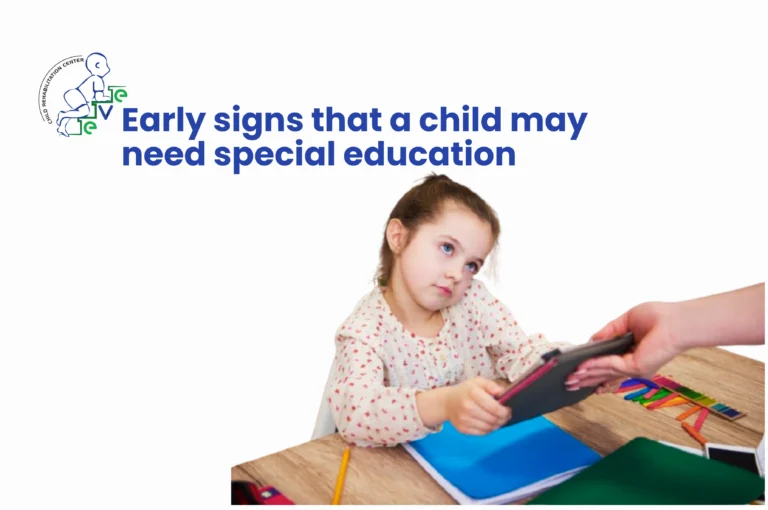
Child showing early signs that they may need special education, including challenges with speech, motor skills, and following instructions.

Early signs that a child may need special education

Understanding the early signs child needs special education can make a life-changing difference in your child’s future. From speech delays and difficulty following directions to sensory issues and behavioral challenges, recognizing these indicators early allows parents to seek timely interventions. This guide explains developmental milestones, behavioral red flags, communication delays, motor skill challenges, and when to seek a professional evaluation—empowering parents to take proactive steps toward their child’s growth and learning success.

Read More »
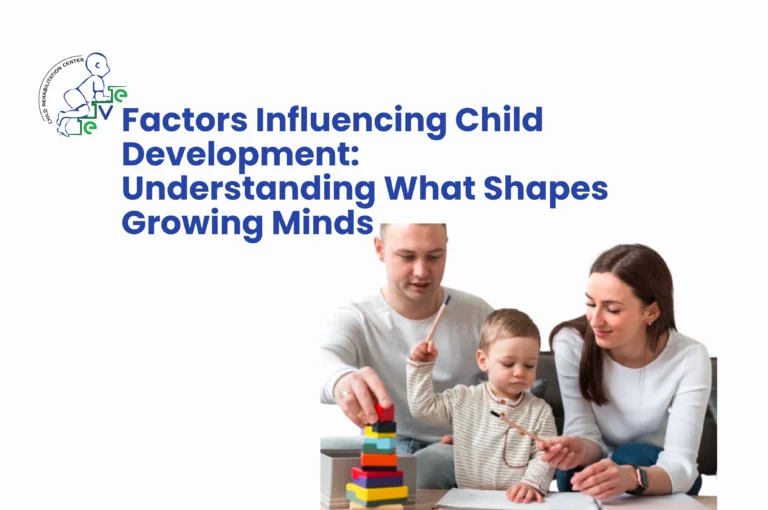
Parents supporting their child’s development through learning and play

Factors Influencing Child Development: Understanding What Shapes Growing Minds

Understanding the factors influence child development is essential for parents, caregivers, and educators to support children at every stage of growth. A child’s development is shaped by genetics, family environment, early learning experiences, social interactions, community support, and even technology. By recognizing these influences, adults can provide the right guidance, emotional security, nutrition, and learning opportunities needed for children to thrive physically, emotionally, socially, and intellectually.

Read More »